Software Architecture for Small Teams: What Actually Matters
There is no shortage of advice about software architecture. Most of it is written for large engineering organizations dealing with problems small teams don't have yet. This post is different. It's written for teams of 2–8 engineers who need to ship quickly, keep the system maintainable, and not spend six months on infrastructure before a single user touches the product.
The Core Principle: Defer Complexity
The best architectural decision for a small team is almost always the simpler one. You cannot know in advance which parts of your system will need to scale, so designing for scale everywhere wastes effort on the parts that won't matter and adds friction to the parts that will.
Optimize for your team's ability to understand and change the system quickly, not for handling load you don't yet have.
What Small Teams Get Wrong
Over-engineering the data layer
Microservices and event-driven architectures solve real problems at scale. Before you have scale, they add operational complexity, distributed debugging headaches, and coordination overhead that slows everything down.
Start with a monolith. Not a big ball of mud, but a well-structured monolith with clear module boundaries. When you actually hit the limits of that structure, you'll know exactly where to split.
Premature abstraction
Shared utilities, generic frameworks, plugin architectures: these feel productive but often calcify the wrong interfaces early. Write the specific thing first. When you've written it three times and the pattern is clear, then abstract it.
Ignoring observability
This is the one area where small teams consistently under-invest. When something breaks in production (it will), you need:
- Structured logs with request IDs
- Error tracking (Sentry or equivalent)
- Basic uptime monitoring
This is not hard to set up and the cost of not having it is paid in debugging hours.
The Architecture That Works
For most SaaS products and internal platforms, this stack serves well:
Frontend: Next.js (React, SSR/SSG, API routes)
Backend: Same Next.js app or a separate Node/Python service
Database: PostgreSQL (hosted, managed)
Auth: Auth0, Clerk, or NextAuth
File Storage: S3-compatible (Cloudflare R2 or AWS S3)
Deployment: Railway, Render, or Vercel + Supabase
This isn't the only valid stack, but it has excellent developer experience, mature tooling, and enough flexibility to grow with you. The key is not mixing paradigms: pick a clear mental model and stay consistent.
Making Architectural Decisions
When a decision comes up, ask two questions:
-
What is the cost of getting this wrong? If it's easy to change later, don't agonize. If it's hard to reverse (e.g., database choice, auth model), spend more time.
-
What is the simplest thing that could work? Start there. Add complexity only when you've run into the actual limit.
The Most Valuable Investment
If you do one architectural thing well: make your domain logic easy to find and test independently from the framework.
This means your core business logic (pricing rules, workflow state, validation) lives in plain functions or classes that don't depend on HTTP, databases, or your frontend. The framework calls in; your logic doesn't call out.
When this is true, you can change your web framework, swap your ORM, or add a mobile client without touching the business logic. That's the architecture that ages well.
Small teams that ship good software aren't following sophisticated architectural patterns. They're making boring, confident decisions and spending their complexity budget on the business problems that actually differentiate their product.
If you're at an architectural crossroads and want a second opinion, let's talk.

About Orléando Dassi
CEO & Co-Founder
Orléando drives business strategy, product development, marketing initiatives, and customer experience. He holds a bachelor's degree in software engineering, 11+ years of IT experience, an MBA in progress at Université de Sherbrooke, and an ASP in business launch from CFP 24-Juin.
Related articles
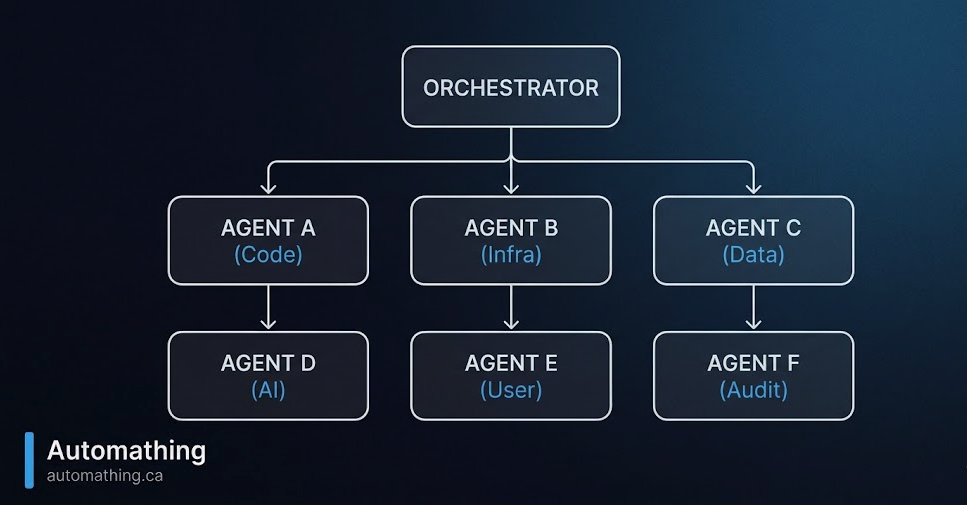
Building an AI Coding Agent Team: What Actually Works
Multi-agent coding architecture at Automathing: one orchestrator per project, specialized AI coding agents, and rules written from real errors.
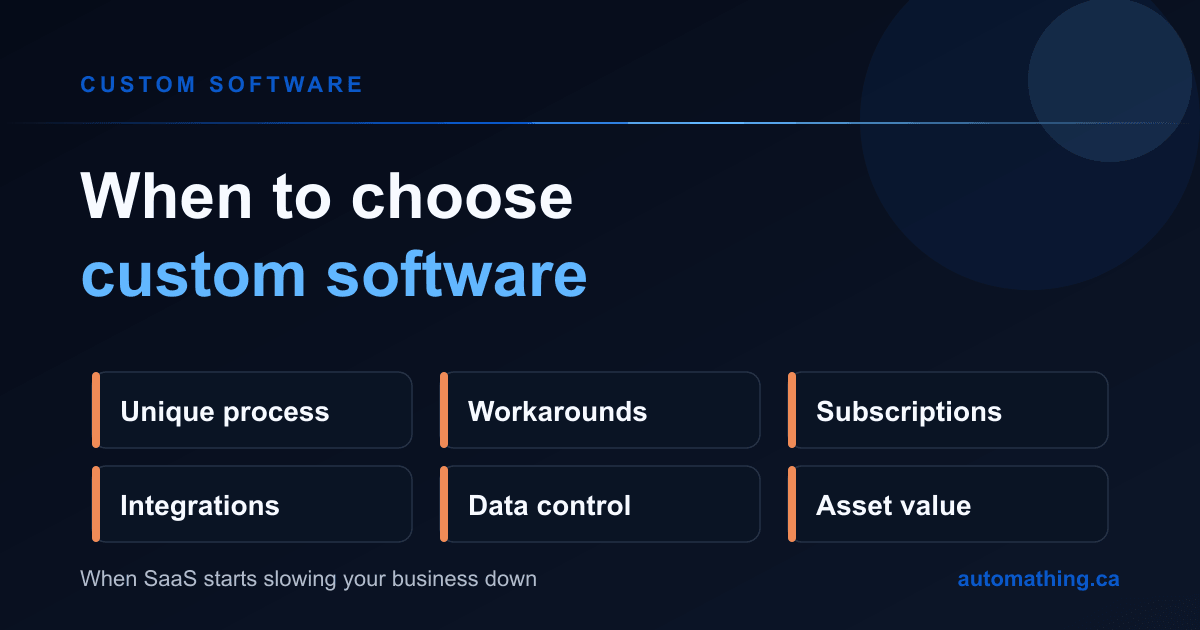
When to Choose Custom Software: 6 Signs It's the Right Choice
When should you choose custom software over SaaS? Here are 6 concrete signs that show when custom software becomes the right choice for your business.
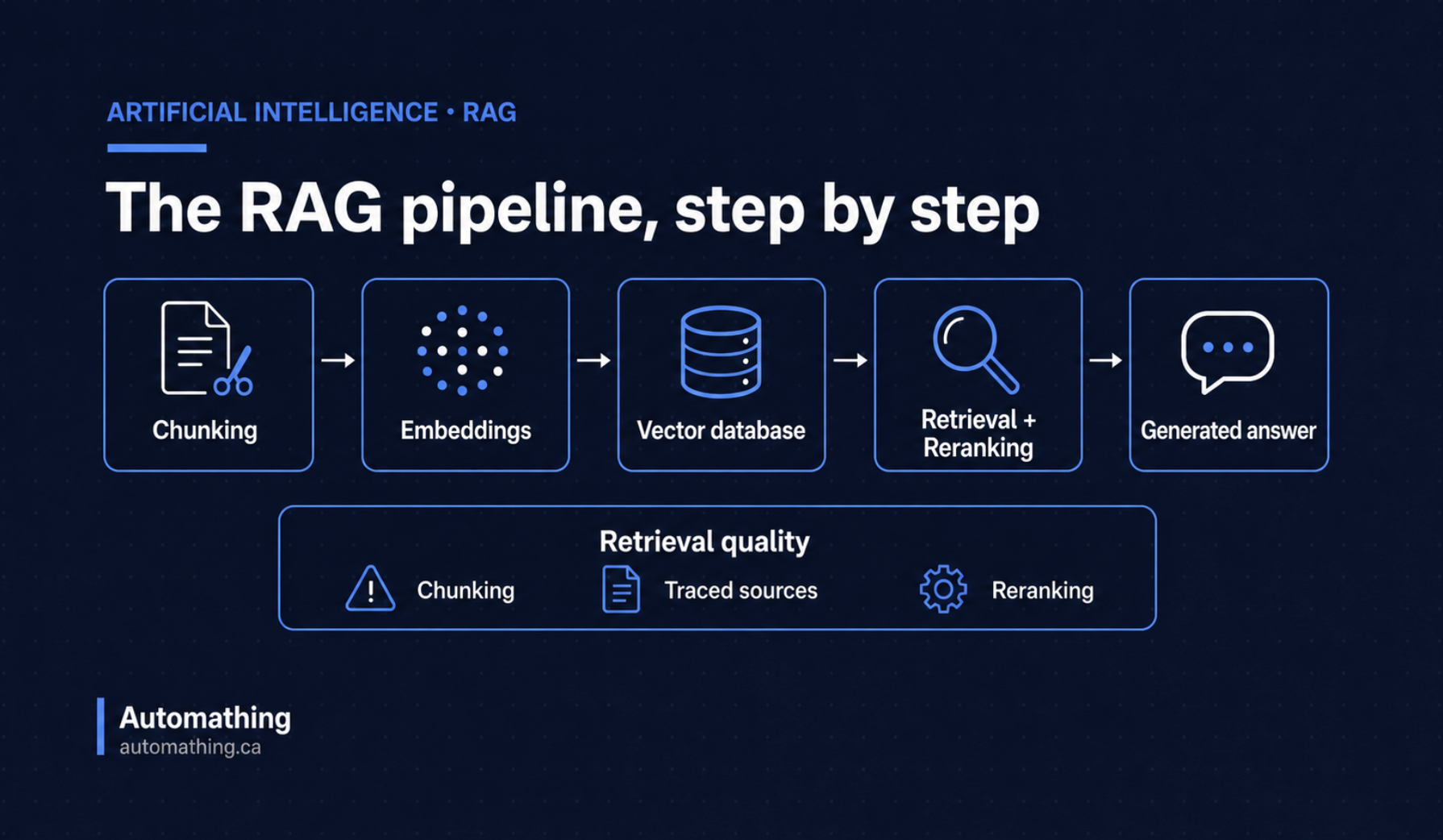
RAG: Does Your AI Project Actually Need It?
RAG isn't a universal solution, it's a precision tool. How to decide if your project needs it, how it actually works, and how to avoid the mistakes that break it.